
What a proper patch repair gives you
Damage checked first
We look at the patch and the plaster around it before deciding the repair.
Edges feathered in
The new work is blended into the old surface so paint catches less.
Photos of the result
Before-and-after images show what changed once the repair was finished.
Repair the damage, not the whole wall
Plaster damage does not always mean stripping a whole wall back. A hole left by an old fitting, a blown patch, an impact mark or a bit of surface failure can often be dealt with as a contained repair if the plaster around it is still sound. With Need A Plasterer 728, we start by checking the damaged area and the surface around it, then cut out what is loose, prepare the background and build the repair back in stages. The aim is a patch that sits level, dries properly and gives you a sensible base for decorating.
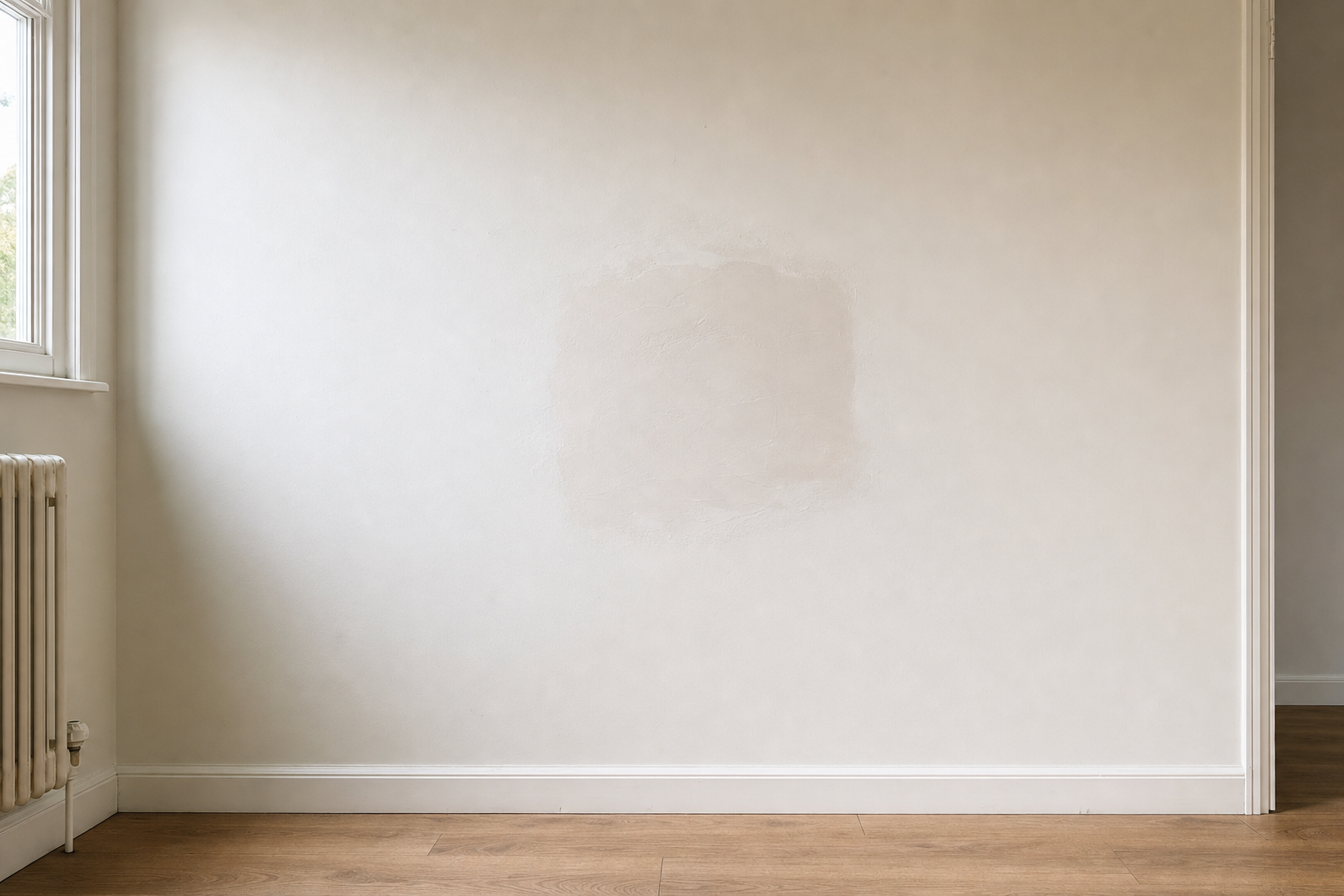

When a patch works and when it does not
Some walls only need one neat repair. Others look as though they have had a long-running argument with drills, cables and previous owners. In those cases, a wider skim can be the smarter option because it evens the whole area rather than leaving you with one new patch on a tired old surface. Choosing Need A Plasterer 728 means we will tell you which route makes more practical sense. We also take before-and-after photos, so you can see exactly what was put right once the plaster has dried.
Frequently asked questions
When is a plaster patch repair the right choice?
A patch repair works best when the damage is limited to one area and the plaster around it still feels solid. We check for loose edges, hollow spots and wider failure first. If the weakness spreads beyond the visible mark, a larger skim can leave you with a better finish overall.
Will the repaired section show after decorating?
We build the repair back to the right level and feather it into the surrounding wall so it does not sit proud. Once it has dried and been decorated properly, it should read far more cleanly than the damaged area did. If the whole wall is rough, we may suggest skimming beyond the patch.
Do photos help with quoting for patch repairs?
Yes. Clear photos and rough sizes help us understand the shape of the damage, how deep it looks and whether several repairs can be planned together. Final pricing is still based on the real measurements and the materials required, but photos make the first conversation much easier.