
What helps Wolvey making-good work
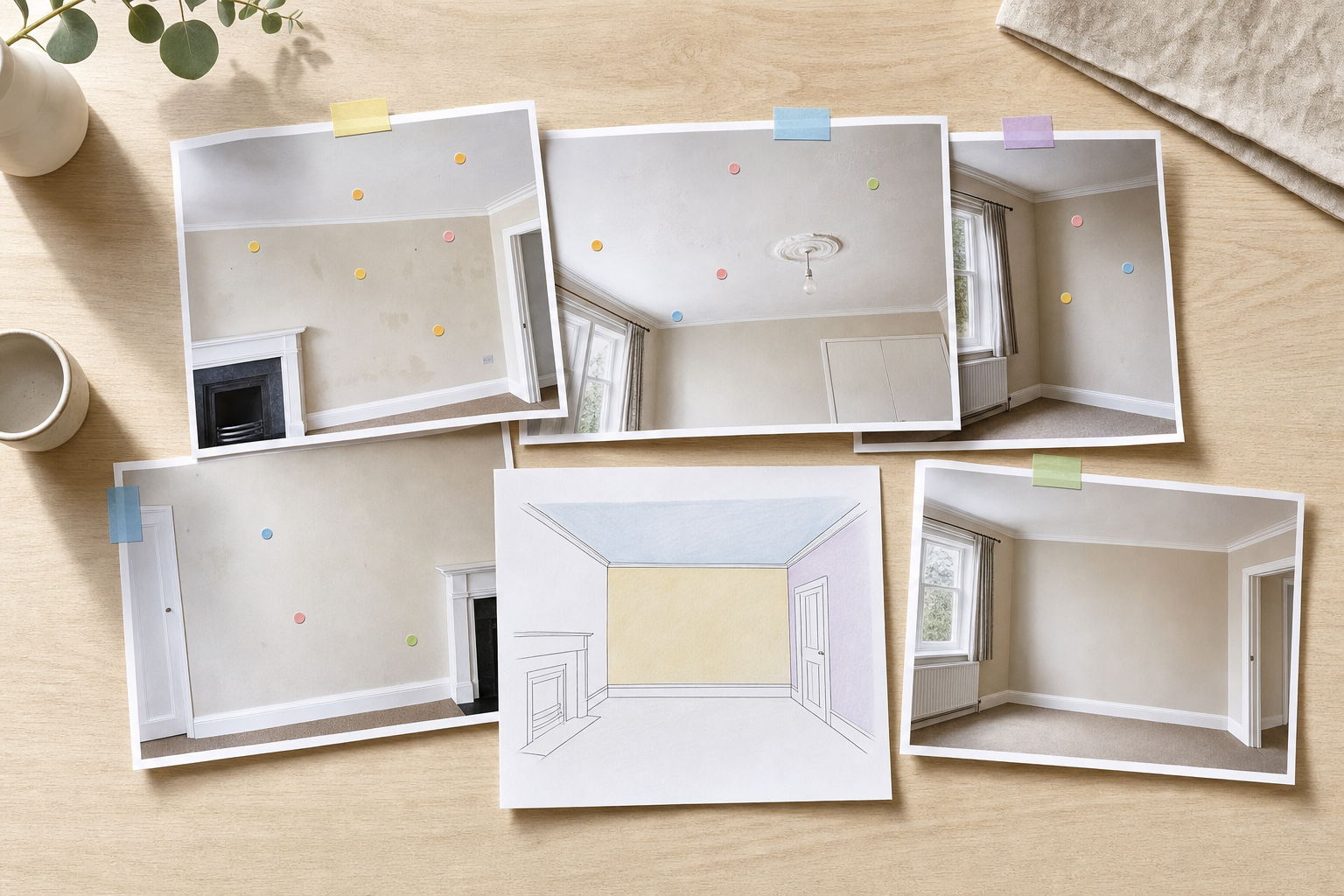
Mark every affected area
Pointing out each chase, hole and crack helps us scope the work properly.
Finish trade work first
Chases should only be closed once cables or pipes are in for good.
Plan linked repairs together
Related ceiling and wall defects are easier to sort in one clear visit.
Make good after changes inside the home
A lot of Wolvey plastering calls follow changes inside the house rather than wear alone. New cables or pipework leave chases to fill, a ceiling may need repair after related work, and small holes or cracks often come to light once the room is opened up. With Need A Plasterer 728, it helps if you can mark every affected wall or ceiling and send photos before the visit, because connected repairs are easier to plan together than one at a time after the dust has already settled.
Close chases only when the trade work is done
For Wolvey properties, the trade work behind a chase should be fully finished before we close it up for good. Choosing Need A Plasterer 728 means we then prepare the background, fill and plaster the repaired route properly, and allow for drying before decoration. Clear access to the room matters as well, especially where several repairs share the same space and need to be worked through in a sensible order.
Frequently asked questions
Should electrical or plumbing work be finished before you patch chases?
Yes. In a Wolvey home, the cables, boxes or pipework should be in their final position before we close the chase permanently. That avoids needless reopening later and lets us build the repair back properly in one go instead of doing the same wall twice.
Can several cracks, holes and chases be handled in one Wolvey visit?
Often, yes. If the repairs are connected and ready to be dealt with together, it is much more useful to point them all out at the start. In a Wolvey property, that helps us plan the order of work, the materials and the drying needs rather than treating each mark as a separate surprise.
What photos help with a Wolvey making-good job?
Wide shots showing the room and close shots of each chase, hole or crack are best, plus rough measurements where you can manage them. For a Wolvey job, it also helps to mark every affected wall or ceiling beforehand so nothing gets forgotten once we are looking at the space in person.